
Cultural day tour from Batumi
Tour details
- Total Time: 8H - 10H
- Starting point: Batumi
1 | 2 | 3 | 4 | 5 |
|---|---|---|---|---|
50 gel | 50 gel | 50 gel | 50 gel | 50 gel |
Step into Adjara’s unique culture with us. Learn about its rich history and traditions, and try the world-famous honey only found here. Explore a hidden waterfall where you can swim away from the crowds. Walk over ancient bridges and get a feel for Adjara’s past. Experience the thrill of one of the world’s most unique cable car rides. Visit Tago, a true Adjaran village with quaint wooden houses. Enjoy a traditional Adjaran lunch and taste local wines while taking in stunning views all around at Glamping Tago. It’s your chance to really experience Adjara’s charm.
Stops
- Jara honey tour
- Dandalo bridge
- Goderdzi waterfall
- Tago village
- Glamping Tago
- Skhalta monastery
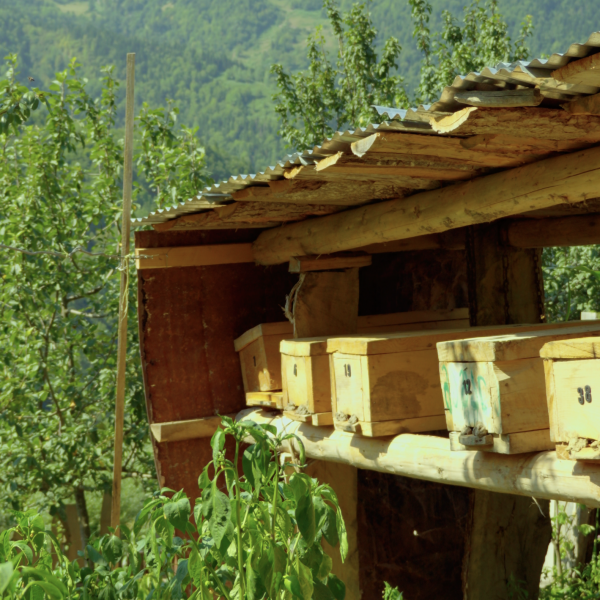
Jara honey
Discover the sweet taste of Adjara with our Jara honey, a treasure crafted in the heart of nature. Made in traditional tree trunk hives, this honey isn’t just about the unique flavor; it’s a nod to ancient beekeeping that helps keep our bees thriving. The secret? Our bees feast on nectar from a variety of plants in our lush, high-altitude forests, giving our honey its rich taste and packed nutrients. Jara honey captures the essence of Adjara’s diverse landscapes, offering a taste that’s as unique and special as the region itself.
Dandalo bridge
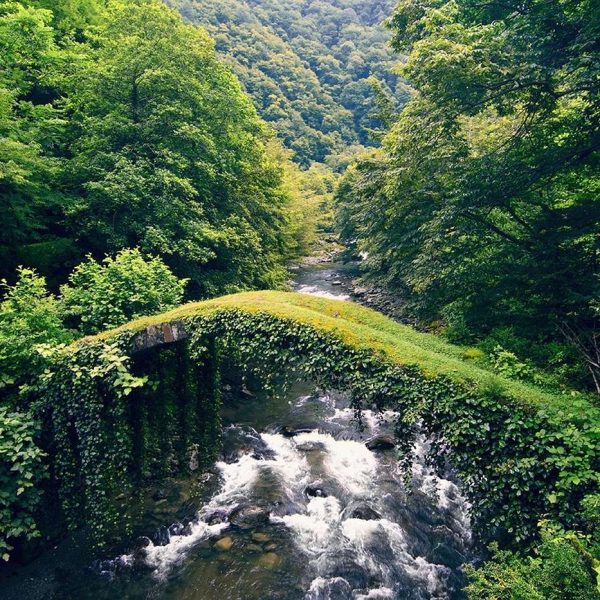
The unique arched bridges, throughout upper Adjara you will find arched bridges which often date back to the XVI-XVIII centuries. They are build from stone of uneven sizes and lime mortar. The longest one is the Dandalo bridge which spans up to 35.9 meters and is quite impressive as it does not have any supporting pillars. While some of the bridges got damaged due to floods, invasions and landslides. Many survived the test of time which attest to the skills and craftmanship put in building them. They were the lifelines for many of the Adjaran villages and to this day some of them still are used daily by the locals.
Goderdzi waterfall
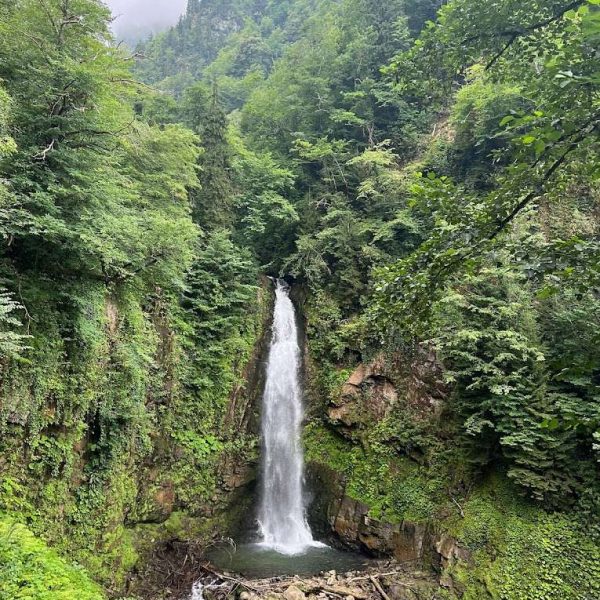
The Goderdzi waterfall is a lesser know waterfall in the Adjaran mountains but one of the best to visit. It’s not over touristy yet and you swiw, there is even a cave behind the waterfall. Oh it’s not located in Goderdzi but actually on the way between Batumi and Khulo.
Tago village
In the heart of Adjara, Tago stands out, not just for its picturesque wooden houses or the remarkable cable car connecting it to Khulo, but for the simplicity and authenticity of its daily life. Far removed from the trappings of modern city living, Tago is a village where time seems to slow down, inviting you to appreciate life’s simpler pleasures.
Its most famous feature, the cable car, offers more than just a means of transportation; it’s a lifeline to the outside world and a symbol of the community’s resilience and ingenuity. Tago’s residents, embracing a lifestyle that has remained largely unchanged for generations, showcase the village’s rich cultural tapestry through their daily routines. From dawn until dusk, their lives are a testament to the enduring spirit of a community that finds joy in the rhythms of nature and the strength of tradition. This isn’t just a place; it’s a reminder of what life can be when we strip away the unnecessary and focus on what truly matters.
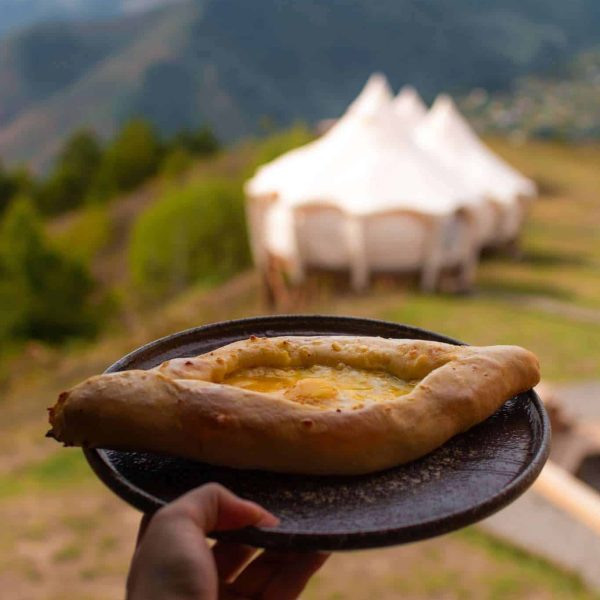
Adjaruli workshop
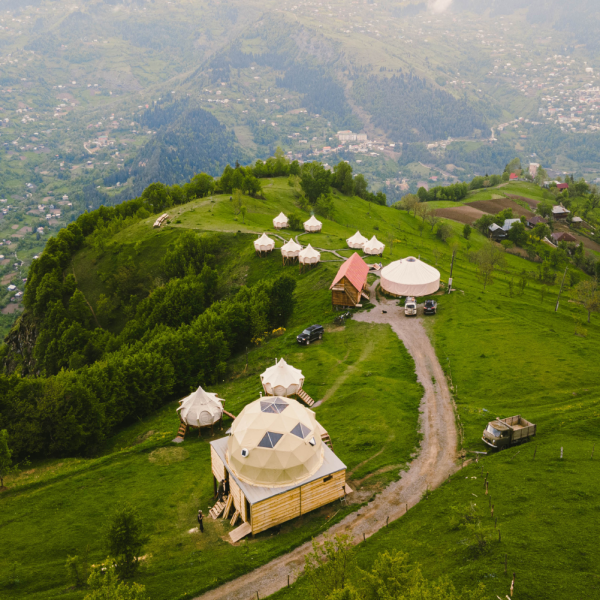
Last but not least we’ll visit Glamping Tago where we’ll learn to make and eat the famous Adjaruli surrounded by 360 degree views over the Khulo valley.
Skhalta monastery
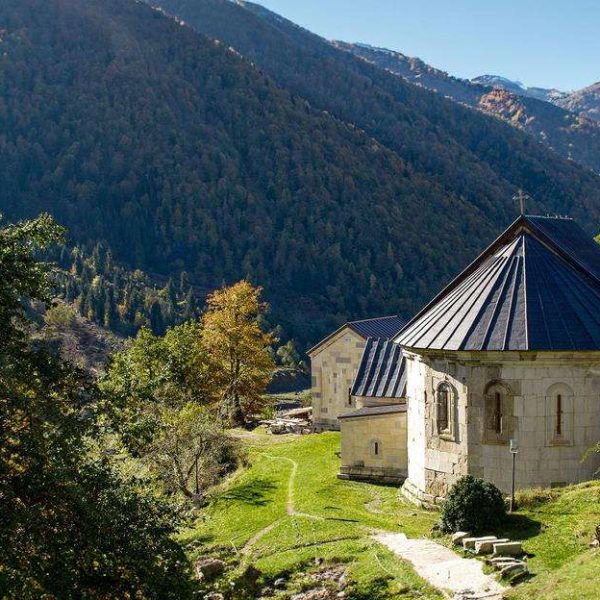
The region of Skhalta was well advanced in the Middle Ages. The shortest road from Ajara towards Artaani passed through here. The Skhalta monastery is more or less originally preserved sample of medieval sacred architecture in Ajara. The main construction of the complex is Skhalta Virgin Church. It is a single-nave hall-type church. There is no information available about the construction of the church. Traditional reports and artistic peculiarities connect the construction of the Skhalta Church to Queen Tamar and the middle of the 13th century.The so called Skhalta Small Church is situated south-west to the church. The distinguished frescoes of the church belong to the 14th-15thcenturies. The decorations are based on centuries-old wall painting traditions as well as novelties of modern Byzantine wall painting. The frescoes were restored in 1990s.
 English
  Georgian
  Russian